A working prototype
Explore a real problem from your own function. See what AI can do, where it falls short, and what needs further testing.

A private, one-day executive AI workshop
Work on your own business challenges alongside AI engineers and operators. Build working prototypes, understand their limits, and leave with a clearer view of where to invest next.
Read the program briefTypically 10–14 executivesSVP level and above, from your company
One day, on sitePreparation and follow-through around it
From $35,000Scoped to your team and location
What you leave with
Building is how the learning happens. Your team leaves with practical experience to bring to its next AI decision.
Explore a real problem from your own function. See what AI can do, where it falls short, and what needs further testing.
Identify where AI could change the work, which assumptions need testing, and which processes need redesigning.
Turn the day’s learning into next steps for your team, with access to your AI coach for follow-through.
From building to a business decision
A prototype helps your team get specific about what to test before committing more time and money.
Illustrative example · customer support
The Lab is a learning and prototyping engagement. Production use requires further validation, integration, and your organization’s approvals.
Unprompted, collected at the table, before anyone had time to be polite about it.
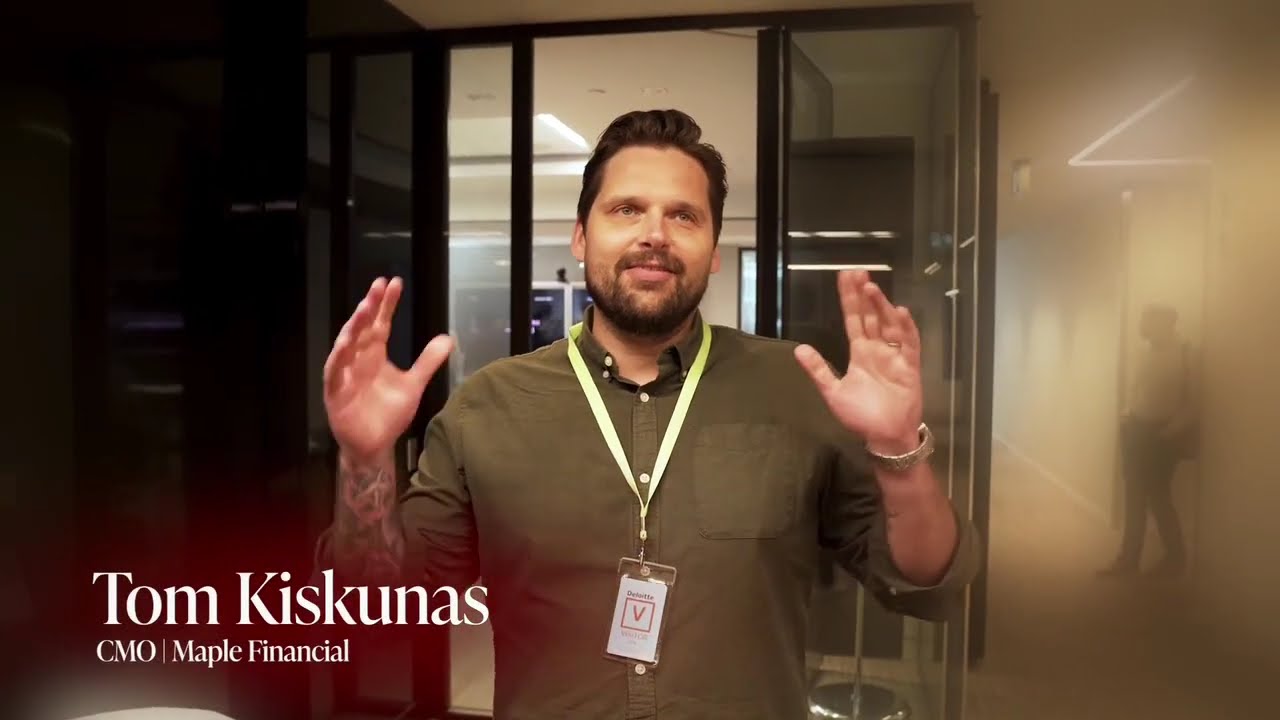
"It didn't take us more than 15 minutes to have a full training program that would probably have cost us $200,000 and taken six months."
"I've sat through a dozen AI presentations and nodded along. After the Lab, I can clearly see how transformative this technology is, and how I need to lead by example here."
"In 45 minutes we solved a challenge we've struggled with for two years. The next day I didn't ask my team where we were on the project. I showed them what I was able to build."
"I was just overcomplicating it. It turns out you just write 'create an agent,' and there you go."

"How simple it was to get a very polished product as a first draft: something that would take us weeks and months of alignment with stakeholders."

"Knowing others were in the same boat, and how easy it was to create solutions."

June 2026 Lab, scored by leaders on the day. First-party, not a vendor survey.
How the engagement works
Before the Lab
We interview your executives, agree what a useful outcome looks like, and prepare scenarios around your industry. Each leader brings a real business challenge.
Your part: select the team, identify challenges, and align on tools and data that can be used.
During the Lab
Your leadership team works together, typically with one facilitator or coach for every 3–4 executives. You describe the problem in plain language and explore what works in practice, with engineers and operators alongside.
Your part: protect the day, bring a laptop, and participate. No coding experience needed.
After the Lab
Each leader leaves with a plan and access to their AI coach for follow-through. Further execution support is available as an additional engagement.
We’ll clarify the coaching scope and any further support when we discuss your engagement.
An illustrative flow. The agenda is tailored during preparation.
Why this format
Your industry, tools, culture, and live business challenges shape the work before the day begins.
Your leaders work through the possibilities and limitations together, building a common basis for decisions.
Engineers handle technical obstacles while operators keep the work connected to your business priorities.
The Lab is led by Reuven Gorsht, founder of The Variable, and his team. We've built AI-native companies, spent years inside the Fortune 500, and shipped enterprise software at scale.
We are not consultants. We are former operators who spent decades in the trenches on both ends: the eighteen-month enterprise programme with a steering committee, and the four-person team that shipped it in a fortnight. We know which parts of each actually travel, and we have watched enough of this fail to be useful about it.
AI engineers and developers who work in production, not in slideware. They sit at the table and handle anything technical so you never stall.
Operators who have carried a P&L through a transformation. They keep the day pointed at the work that actually matters to your business.

The engagement
For a full senior leadership team or the leaders of a single function, including the people who own the decisions.
Read the program briefStarting investment
$35,000
Pricing varies by team size, industry, and location.
At your offices or a venue you arrange. On the discovery call, we’ll discuss team size, dates, coaching scope, and the investment for your engagement.
Discuss your team’s LabThe AI Exec Lab is a private, one-day, hands-on workshop in which a company's senior leadership team builds working AI on its own live business problems, with AI engineers and operators beside them. It runs on site, for one company at a time, and it is built around that company's industry, tools and culture. Building is how the learning happens. What makes it work is the dynamic when a whole leadership team goes through it at the same time, together.
The Lab combines preparation around your own business with a shared experience for your leadership team. Your leaders build with engineers and operators alongside, then use what they learn to inform their next decisions.
Because the gap between a good idea and a working outcome only shows up when you build. Bad data, missing context, permissions, handoffs, the things nobody documented. A briefing or vendor demo runs on clean inputs. Your business doesn't.
The day is facilitated by The Variable. We are not consultants. We are former operators who spent decades in the trenches on both ends: the eighteen-month enterprise programme with a steering committee, and the four-person team that shipped it in a fortnight. We know which parts of each actually travel, and we have watched enough of this fail to be useful about it.
No, and nobody writes code. If you can brief a person, you can brief a model. An expert sits beside you and handles anything technical.
A typical Lab brings together 10–14 executives, usually SVP level and above, including the CEO and leaders who own a function or P&L. It can be your full leadership team or the senior leaders of a single function. Everyone participates; there are no delegates or observers.
At your offices, or a venue you arrange. We bring the team, the curriculum and the build environment. You provide the space and protect the calendars.
One real business challenge per leader. Before the day we interview your executives, align on what a good outcome looks like, build the scenarios around your industry, and curate who sits at which table. That preparation is most of what makes the day work.
Every leader leaves with a plan and keeps access to their AI coach for follow-through. We clarify the coaching scope when we discuss your engagement. Further execution support is available as an additional engagement.
We run your session on site, at your offices or a location of your choice. Pricing starts at $35,000 and varies by team size, industry and location. We discuss dates, team size, coaching scope, and the investment for your engagement on the discovery call.
Because we're focused on the activities that give you the most value in the shortest time. We skip the theory and the slides. Almost the entire day is hands-on: working with your peers and our coaches on your real problems, and generating the aha moments that change how you lead.
We typically work with one facilitator or coach for every 3–4 executives. The small groups give leaders support while they work on their own challenges. We confirm the team size and coaching arrangements when scoping your engagement.
Bring your organization’s tool and data requirements into the preparation conversation. Agree which tools and information can be used before the Lab; use approved, non-sensitive examples where needed. The discovery call is a useful place to raise security or procurement requirements.
The Lab is for learning and prototyping. Any production use needs further validation, integration, and your organization’s approvals. Use the day to understand what a next-stage pilot would need to prove.
Start with a conversation
In 15 minutes, we’ll discuss your priorities, assess fit, and clarify the format and investment. Bring the business challenge you want your team to understand better.
For the decisions ahead
Practical perspectives on executive education, AI fluency, and finding a place to begin.
All executive AI insights More from Reuven on The Human Variable
First, share your name, work email, and company. Then choose a time on the calendar. We’ll use the call to discuss your priorities, assess fit, and clarify scope and investment.
Your details are with us. Choose a time that suits you. We’ll discuss your team’s priorities, format, and investment on the call.
Choose a timeIf the calendar doesn't open, email [email protected] and we'll find a slot.